
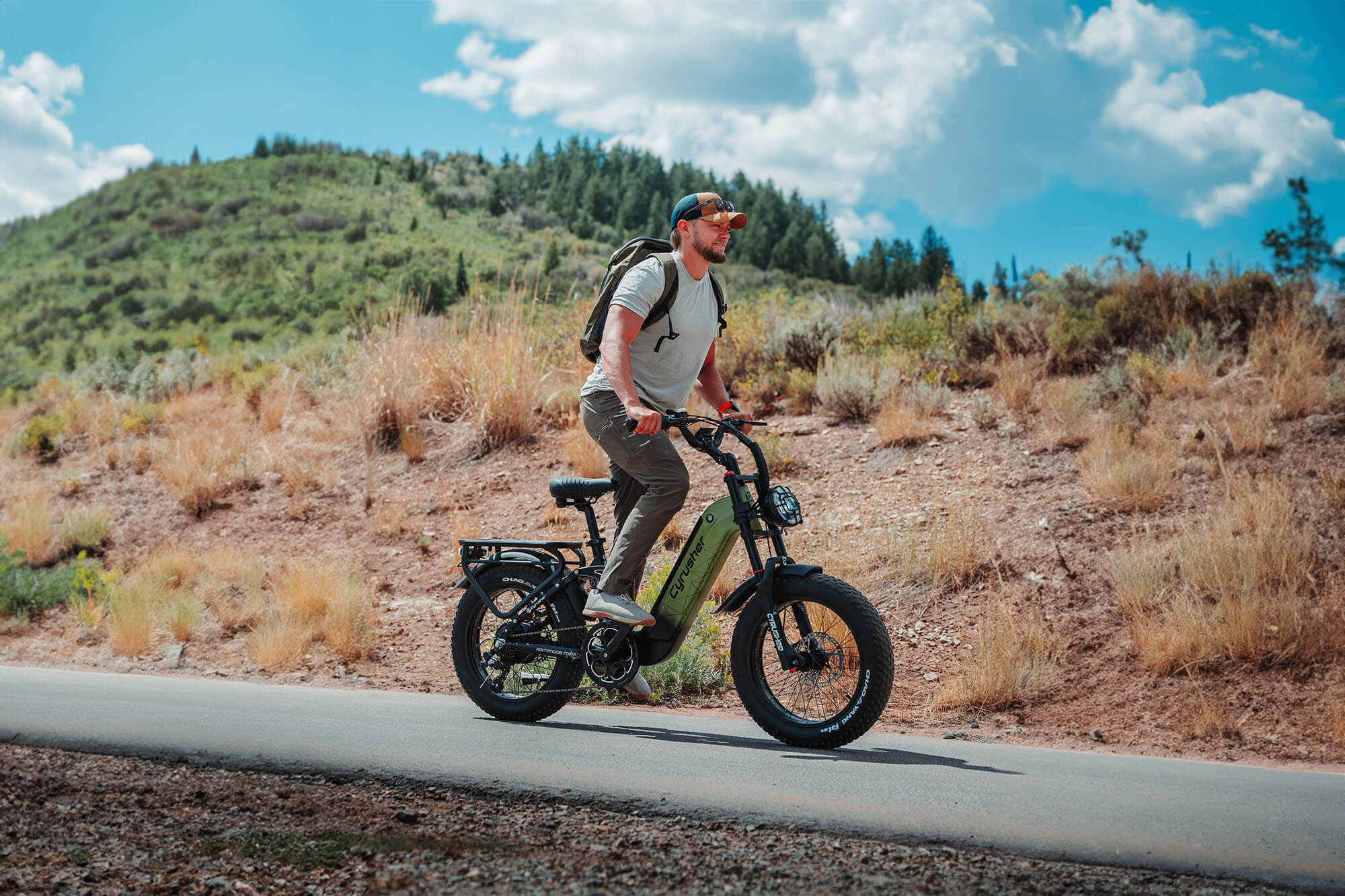
Traffic jams, high fuel costs, and limited parking are pushing more people to rethink their daily commute. A commuter e-bike offers a simple, efficient alternative—helping you move faster, spend less, and enjoy the ride. But not every e-bike is built for everyday use, and choosing the right one can feel confusing with so many options available. This guide breaks it down in a clear way, helping you understand what matters most so you can pick a commuter e-bike that truly fits your lifestyle.
What Is a Commuter E-Bike?
A commuter e-bike is designed specifically for daily travel, especially for getting to work, school, or running errands in urban environments. Unlike off-road or mountain e-bikes, these bikes focus on comfort, efficiency, and reliability rather than extreme performance. If you’ve ever been stuck in traffic wondering if there’s a smarter way to get around, a commuter e-bike is often the answer.
What makes commuter e-bikes stand out is their balance. They usually come equipped with features like built-in lights, racks, fenders, and upright handlebars. These aren’t just extras—they’re essential for everyday usability.
Commuter E-Bike vs Regular E-Bike
While all commuter e-bikes are e-bikes, not all e-bikes are suited for commuting. A mountain e-bike might have aggressive tires and suspension, which are great for trails but inefficient on city roads. A commuter e-bike, on the other hand, is optimized for smooth pavement, predictable handling, and energy efficiency. It’s about getting you from point A to B quickly and comfortably, not conquering rocky terrain.

Why Commuter E-Bikes Are Gaining Popularity
The rise of commuter e-bikes isn’t just a trend—it’s a shift in how people think about transportation. Cities are getting more crowded, fuel prices fluctuate, and people are becoming more conscious of their environmental footprint. A commuter e-bike sits right at the intersection of convenience, cost savings, and sustainability.
Urban Mobility Trends
More cities are investing in bike lanes and cycling infrastructure. This makes commuting by e-bike safer and more appealing. People are realizing they can often reach their destination faster by bike than by car, especially during peak hours. It’s not just about speed—it’s about control. You’re no longer at the mercy of traffic jams.
Cost Savings Compared to Cars
Owning a car comes with hidden costs—fuel, insurance, maintenance, parking fees. A commuter e-bike significantly reduces these expenses. Over time, the savings can be substantial. It’s like switching from a subscription-based lifestyle to a one-time investment that keeps paying off.
What to Consider When Buying a Commuter E-Bike
Choosing the right commuter e-bike isn’t about picking the most expensive model or the one with the highest specs. It’s about finding what fits your daily routine. Let’s break down the key factors you should think about.
Motor Power and Performance
The motor is the heart of your e-bike. Most commuter e-bikes come with motors ranging from 250W to 750W. A higher wattage doesn’t always mean better—it depends on your needs. If your commute includes hills, you’ll want more power. If it’s mostly flat, a lower wattage motor will do just fine.
Hub Motor vs Mid-Drive Motor
Hub motors are located in the wheel and are generally more affordable and low-maintenance. Mid-drive motors, on the other hand, are positioned near the pedals and offer better weight distribution and efficiency. If you want a smoother, more natural riding experience, mid-drive is often the better choice.
Battery Capacity and Range
Battery capacity determines how far you can ride on a single charge. Most commuter e-bikes offer a range between 30 to 70 miles. But here’s the catch—real-world range often differs from what manufacturers advertise.
Real-World Range vs Advertised Range
Factors like rider weight, terrain, wind, and assist level all affect battery performance. Always consider your daily commute distance and add a buffer. It’s better to have extra range than to run out of power halfway home.
Comfort and Riding Position
Comfort is non-negotiable for daily commuting. Look for features like ergonomic grips, adjustable seats, and upright handlebars. These elements reduce strain on your back and wrists, especially during longer rides.
Frame Design and Durability
The frame determines how the bike feels and how long it lasts. Step-through frames are easier to mount and dismount, making them ideal for city riding. Durable materials like aluminum offer a good balance between strength and weight.
Safety Features and Accessories
Safety should never be an afterthought. Integrated lights, reflective tires, and reliable brakes are essential. Hydraulic disc brakes are often preferred for their stopping power, especially in wet conditions.
Weight and Portability
If you need to carry your bike upstairs or store it in a tight space, weight becomes important. Lighter bikes are easier to handle but may come at a higher price. It’s all about finding the right balance.

E-Bike Laws and Regulations You Must Know
Before you hit the road, it’s important to understand the legal side of owning a commuter e-bike. Regulations can vary, but there are some common rules you should be aware of.
Speed Limits and Road Rules
Different areas have different speed limits for e-bikes. Some bike lanes restrict higher-speed models. Always check local regulations to avoid fines or restrictions.
Helmet and Age Requirements
In many regions, helmets are mandatory, especially for higher-speed e-bikes. There may also be minimum age requirements for certain classes. Safety and compliance go hand in hand.
Best Commuter E-Bike Models to Consider
Choosing the right commuter e-bike becomes easier when you match each model to your riding needs. Below are three simple options, each designed for a different type of commuter.
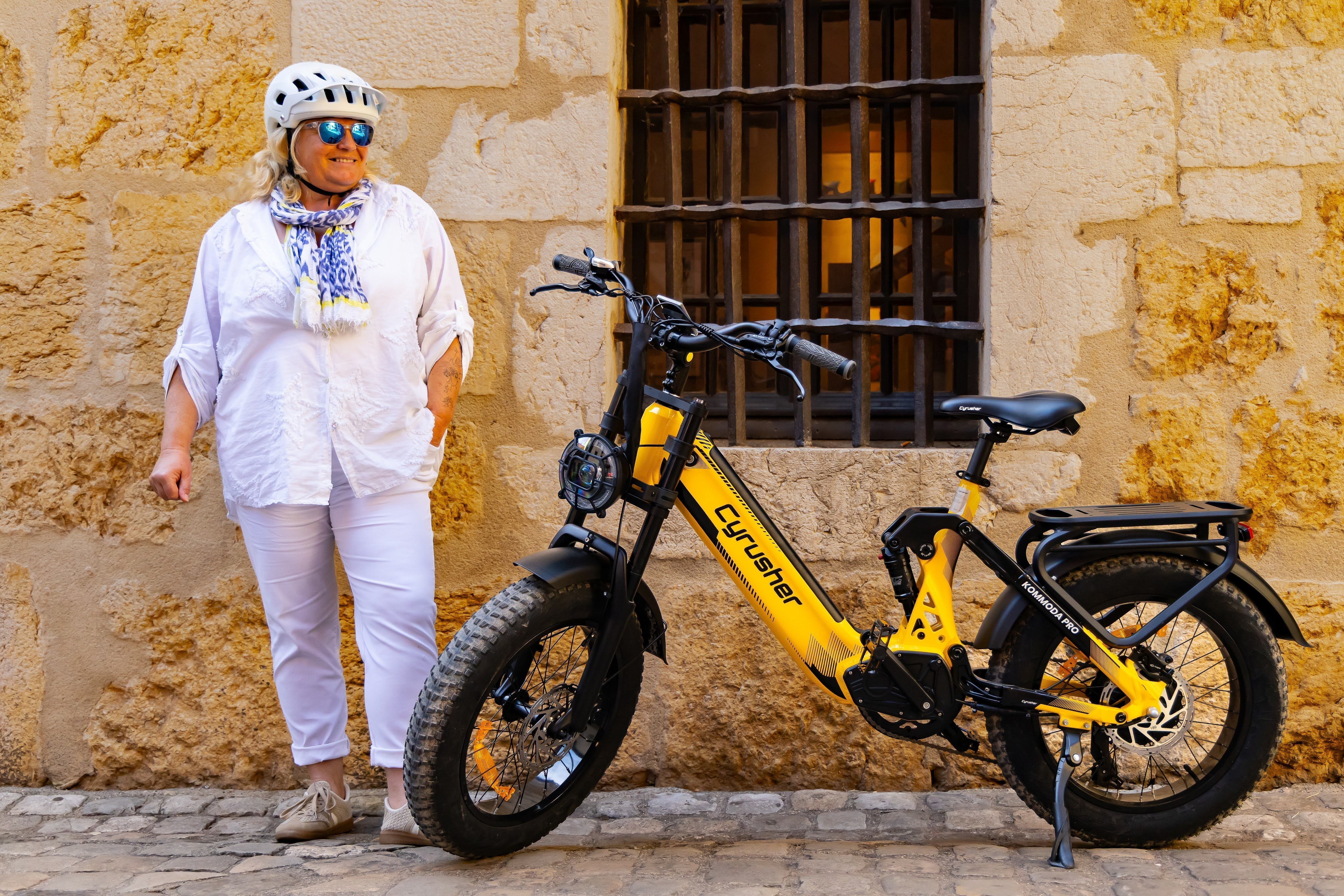
Kommoda 3.0: Comfort Step-Through Commuter E-Bike
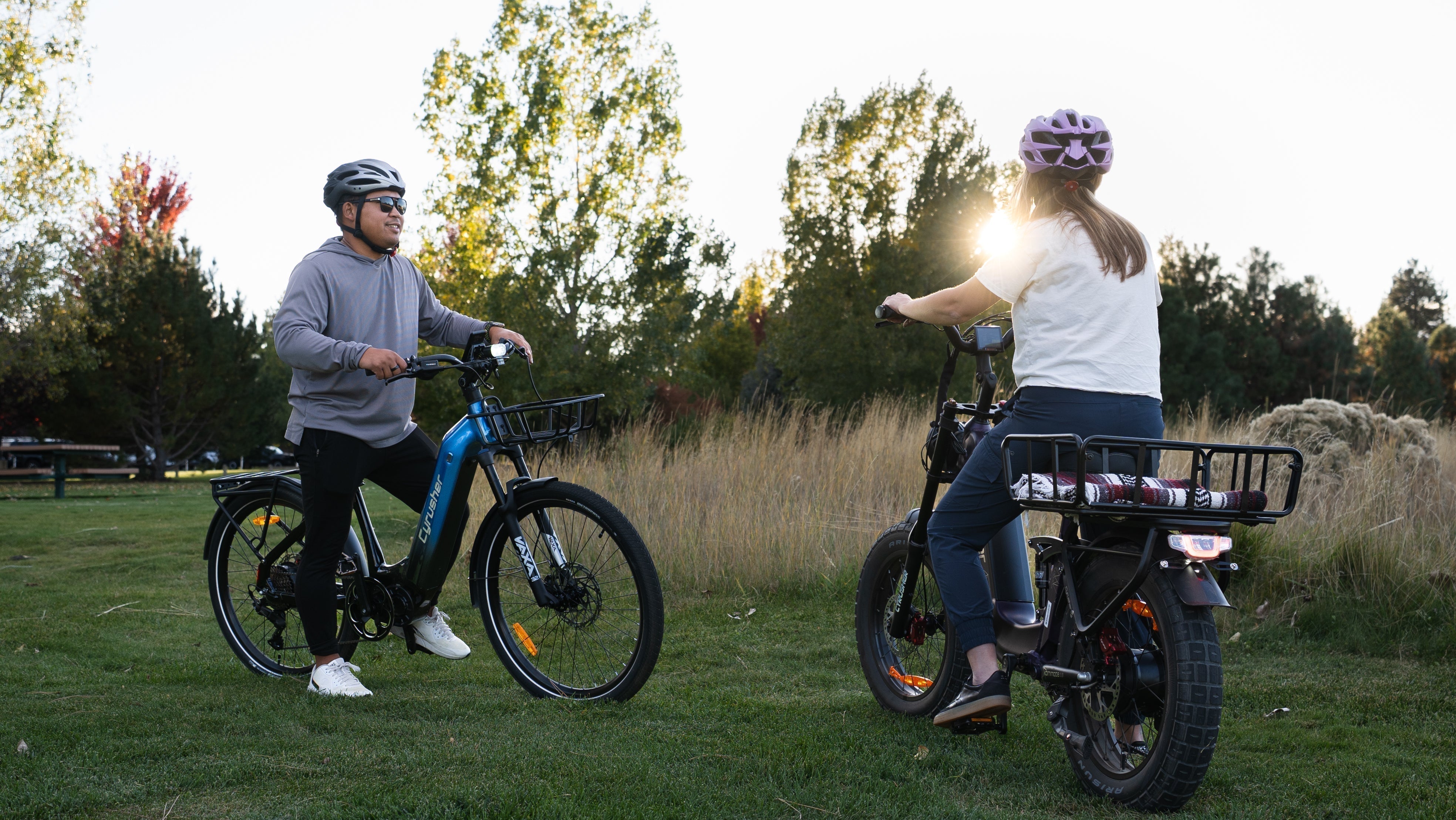
Kommoda 3.0 focuses on comfort and long-range riding. It comes with a 68-mile range, 48V 20Ah battery, and a strong 250W motor. The low step-through frame makes it easy to get on and off, while full suspension and small fat tires improve stability. A torque sensor ensures smooth control.
This model is best for long commutes, heavier riders, or anyone who wants extra comfort on rough city roads.

Sprint: Balanced City Commuter E-Bike
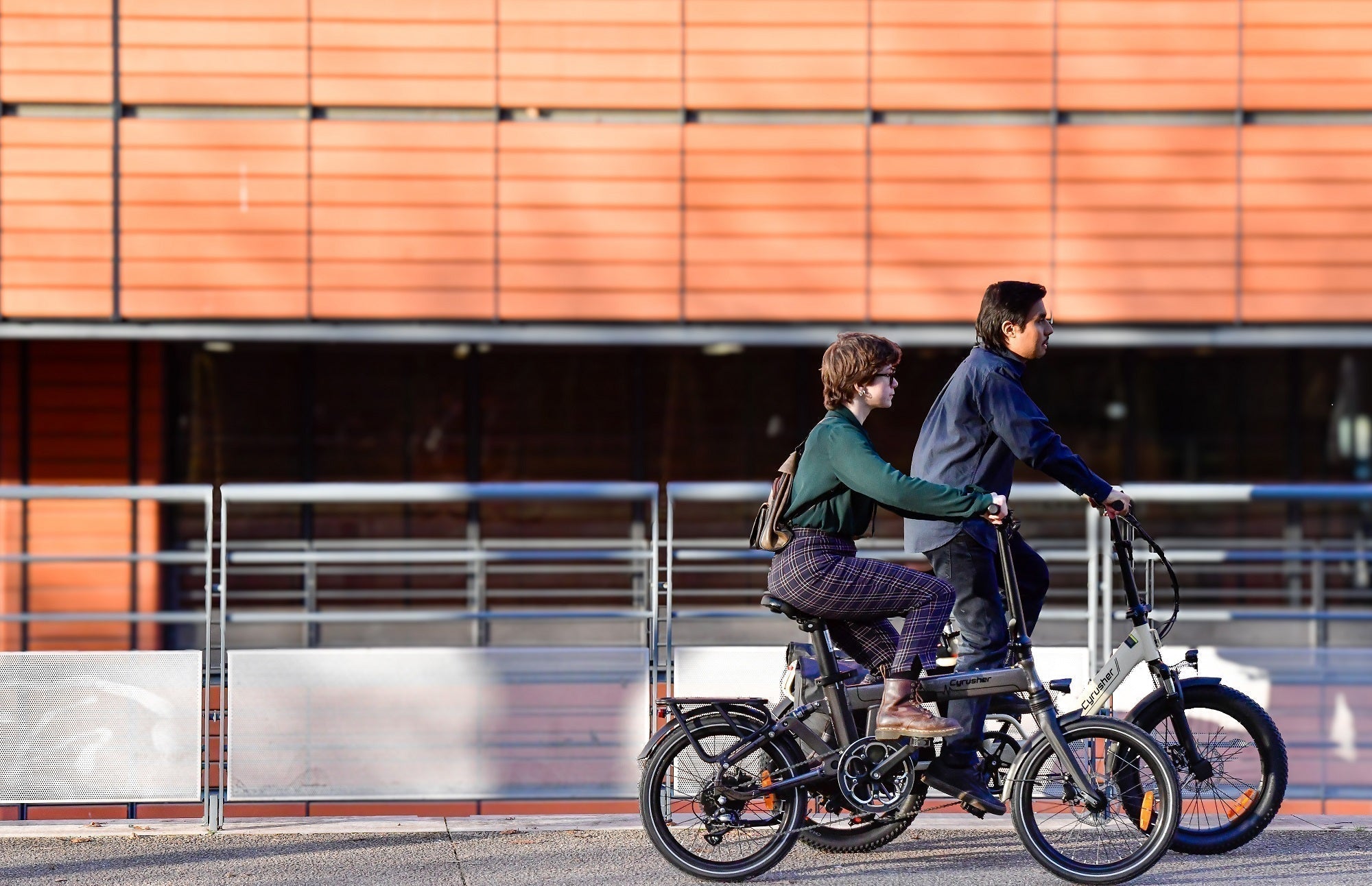
Sprint is designed for fast, efficient city riding. It offers a 59-mile range, 48V 15Ah battery, and a 250W motor. It includes both torque and cadence sensors, giving you flexible riding styles. Front suspension and slim tires make it smooth and quick on paved roads.
This bike is ideal for daily urban commuters who want a mix of speed, comfort, and efficiency.

How to Match Your E-Bike to Your Commute
Your commute is unique, and your e-bike should reflect that. Think about distance, terrain, and storage. A short, flat commute requires a different setup than a long ride with hills. It’s like choosing the right pair of shoes—you wouldn’t wear hiking boots to a formal event, right?
Consider how often you’ll ride, where you’ll store your bike, and what you’ll carry. These details shape your decision more than specs alone.
Maintenance Tips for Daily Commuters
A commuter e-bike is an investment, and proper maintenance keeps it running smoothly. Regularly check tire pressure, clean the chain, and monitor battery health. Small habits make a big difference over time. Think of maintenance as brushing your teeth—it’s not exciting, but it prevents bigger problems down the road.
Conclusion
Choosing the right commuter e-bike isn’t about chasing trends or specs—it’s about understanding your daily needs and finding a bike that fits seamlessly into your life. From motor performance to comfort, from legal considerations to real-world usability, every detail plays a role. When you get it right, your commute transforms from a daily chore into something you actually enjoy. And that’s when you realize—it’s not just a bike, it’s a lifestyle upgrade.
FAQs
1. How far can a commuter e-bike go on one charge?
Most commuter e-bikes can travel between 30 to 70 miles, depending on battery size and riding conditions.
2. Are commuter e-bikes worth it for daily travel?
Yes, they save money, reduce commute time, and offer a more enjoyable riding experience.
3. Do I need a license for a commuter e-bike?
In most areas, no license is required, but regulations vary depending on the e-bike class.
4. What is the best motor type for commuting?
Mid-drive motors offer better efficiency and balance, while hub motors are more affordable and low-maintenance.
5. Can I ride a commuter e-bike in the rain?
Yes, most commuter e-bikes are designed to handle light rain, especially if they include fenders and waterproof components.


Share:
How to Charge an E-Bike Battery in Winter
Why a Fat-Tire E-Bike Is Your Best Entry Into Riding?