
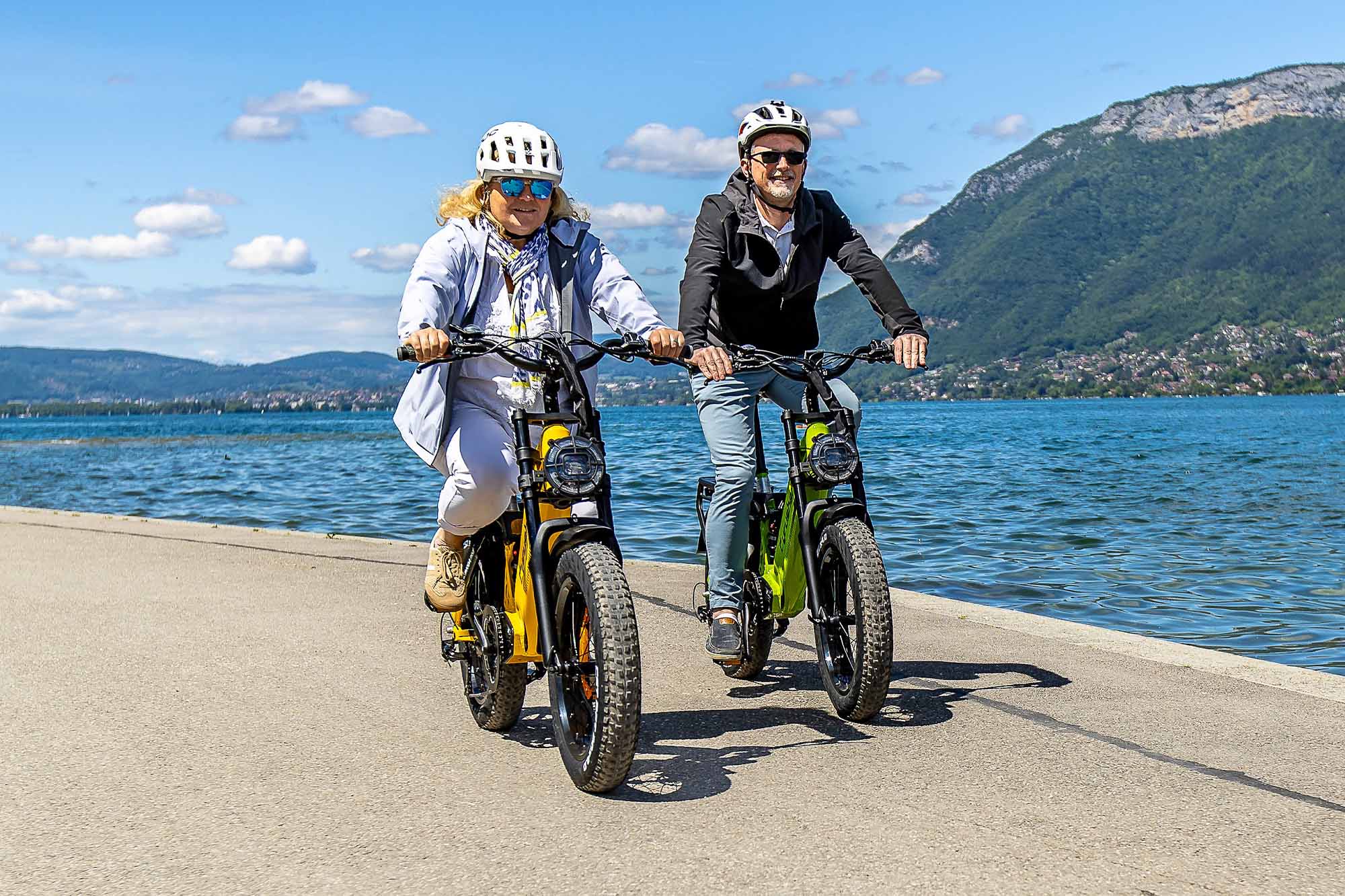
Summer is the prime season for cycling. With sunny weather and longer daylight hours, more and more people are choosing e-bikes for their daily commutes and leisure rides. However, the high summer temperatures not only test riders' stamina but also pose additional challenges for electric bikes. Without proper precautions, issues such as heatstroke, dehydration, reduced battery performance, motor overheating, and abnormal tire pressure can arise one after another.This article provides a comprehensive guide to summer cycling, helping you enjoy your e-bike safely, comfortably, and efficiently in hot weather.

Why Is Summer Riding Unique for E-Bikes?
Although e-bikes make cycling easier and more enjoyable, summer weather conditions can have many unexpected effects on both riders and their bikes.
The Effects of High Temperatures on Riders
Surge in Sweating: The body dissipates heat through profuse sweating, which can easily lead to rapid fluid loss.
Increased Risk of Dehydration: Failure to replenish fluids in a timely manner can lead to a rapid decline in physical performance and even pose safety hazards.
UV Damage: Prolonged exposure to the scorching sun puts the skin at serious risk of sunburn and long-term damage from UV radiation.
Heat Fatigue: High temperatures can easily cause heat fatigue, significantly reducing a rider's attention span and reaction time, thereby increasing the risk of accidents.
The Effects of High Temperatures on Electric Bicycles
Rising Battery Temperature: The combined effects of direct sunlight and discharge during operation can cause the battery's core temperature to rise sharply.
Reduced Range: Abnormal temperatures interfere with the efficiency of electrochemical reactions, resulting in a shorter range.
Increased Motor Operating Temperature: Under high loads and high ambient temperatures, the motor cools more slowly, making it prone to overheating during prolonged operation.
Risk of Component Damage: Prolonged exposure to direct sunlight may also damage sensitive LCD displays and vehicle controllers, accelerating the aging of electronic components.
Choosing the Best Riding Time and Planning Your Route
Although it is possible to ride an e-bike in hot weather, savvy riders know how to avoid the hottest parts of the day. Proper planning of your riding time and route can take your riding experience to a whole new level.
Recommended Riding Times
Early Morning: This is the time of day when temperatures are lowest and the air is freshest. Road traffic is typically lighter at this time, making it ideal for early morning commutes or exercise.
Evening: After the sun sets, solar radiation drops to its lowest level. With the midday heat behind you, the evening is not only more comfortable but also better suited for long-distance leisure rides.

Try to avoid riding between 12 PM and 4 PM. This is when UV radiation is at its strongest and road surfaces are hottest from direct sunlight. Riding during this time places a significant strain on both the rider's body and the bike's battery.
Ride Planning Recommendations
When planning your route, prioritize sections lined with trees or shaded by tall buildings to minimize riding in direct, unobstructed sunlight.For long-distance rides, be sure to mark convenience stores, gas stations, or shaded park rest areas on your map in advance to serve as designated stops for hydration and cooling off.
Heatstroke Prevention and Hydration Tips for Cyclists
To maintain good riding performance under the scorching sun, proper gear and a scientific hydration strategy are essential.
Recommendations for Clothing and Sun Protection Gear
Breathable Cycling Apparel: Choose professional cycling apparel made of quick-drying fabric with excellent moisture-wicking properties to help sweat evaporate quickly and dissipate body heat.
Ventilated Cycling Helmets: While prioritizing safety, select helmets with multiple ventilation ports to maintain airflow around the head and prevent overheating.
Cycling Gloves: Palms tend to sweat heavily in the summer; wearing breathable cycling gloves effectively prevents handlebars from slipping due to sweaty hands and improves control.
Sun Protection Trio: Apply sunscreen with an SPF of 30+ to all exposed skin; wear cycling sunglasses to block glare and UV rays; and use sun sleeves to provide physical coverage and prevent sunburn on your arms.
Proper Hydration Techniques
When cycling in the summer, never wait until you’re thirsty to drink water. By the time your brain sends a signal of thirst, your body is usually already mildly dehydrated. For rides lasting less than an hour, carrying a standard water bottle’s worth of water is usually sufficient. For rides lasting more than an hour, in addition to water, you must bring a sports drink containing electrolytes to replenish minerals such as sodium and potassium lost through heavy sweating and prevent muscle cramps.

Warning Signs of Heat Exhaustion to Keep in Mind
While riding, pay close attention to your body's signals at all times. If you experience any of the following symptoms, they may be early warning signs of heat exhaustion or heatstroke
- Dizziness, headache, or nausea
- Abnormally high heart rate, chest tightness
- Muscle cramps or extreme fatigue
- Difficulty concentrating
If any of these symptoms occur, stop riding immediately and quickly move to a shaded, well-ventilated, or air-conditioned area to rest and replenish fluids and electrolytes.
Why Do High Temperatures Affect Batteries?
Most electric bicycles use lithium-ion batteries.The internal chemical reactions in these batteries are extremely sensitive to temperature. When exposed to sustained high temperatures, this may result in: permanent capacity degradation, a significant reduction in range per charge, decreased charging efficiency (the battery management system limits the charging current to protect the battery), and a drastically shortened service life. In extreme cases, severe overheating may even damage the battery's internal separator, triggering the risk of irreversible thermal runaway and posing a threat to personal safety and property.
Protect Your E-Bike Battery from High Summer Temperatures
-
Avoid parking in direct sunlight
Do not leave your e-bike exposed to direct sunlight. When parking, prioritize spots under trees, in bike sheds, indoor garages, or underground parking lots. If possible, consider removing the battery and bringing it indoors when parking outdoors. -
Let the Battery Cool Before Charging
After a long ride, the battery's internal temperature is elevated due to high-current discharge. Never plug in the charger immediately. The correct procedure is to park your bike in a shaded area and let the battery cool naturally for 15–30 minutes before charging, once the temperature has returned to normal. -
Choose a Safe, Shaded Environment for Charging
The battery itself generates heat during charging, so it is essential to choose a well-ventilated, cool environment. Strictly avoid charging on balconies exposed to direct sunlight, in narrow, enclosed storage rooms, or in hot, west-facing warehouses. Ensure there are no flammable items nearby. -
Conduct Regular Visual Inspections of the Battery
Increase the frequency of battery inspections during the summer. If you notice bulging or cracks in the battery casing, abnormal heat during charging, or an unusual odor, stop using the battery immediately, disconnect the power source, and contact professional after-sales personnel for inspection. Do not take any chances.
Inspect Your E-Bike Before Every Summer Ride
High temperatures not only strain the battery but also affect the bike's mechanical and electronic systems. Before every summer ride, take two minutes to check the following three areas:
Tire Pressure: Gas expands when heated, and hot summer road surfaces can cause tire pressure to rise rapidly. Be sure to check against the manufacturer's recommended PSI value. Never overinflate the tires; leave adequate space to prevent blowouts caused by high temperatures.
Brakes: High temperatures can exacerbate brake fade. Check the wear on your brake pads and test the brake response on a safe stretch of road to ensure they are responsive and free of delay.
Lights: Although daylight hours are longer in summer, visibility can still be impaired during early mornings, evenings, or sudden thunderstorms. Ensure your headlights, taillights, and turn signals are working properly so other vehicles can clearly see your position.
Recommended Models for Summer Riding
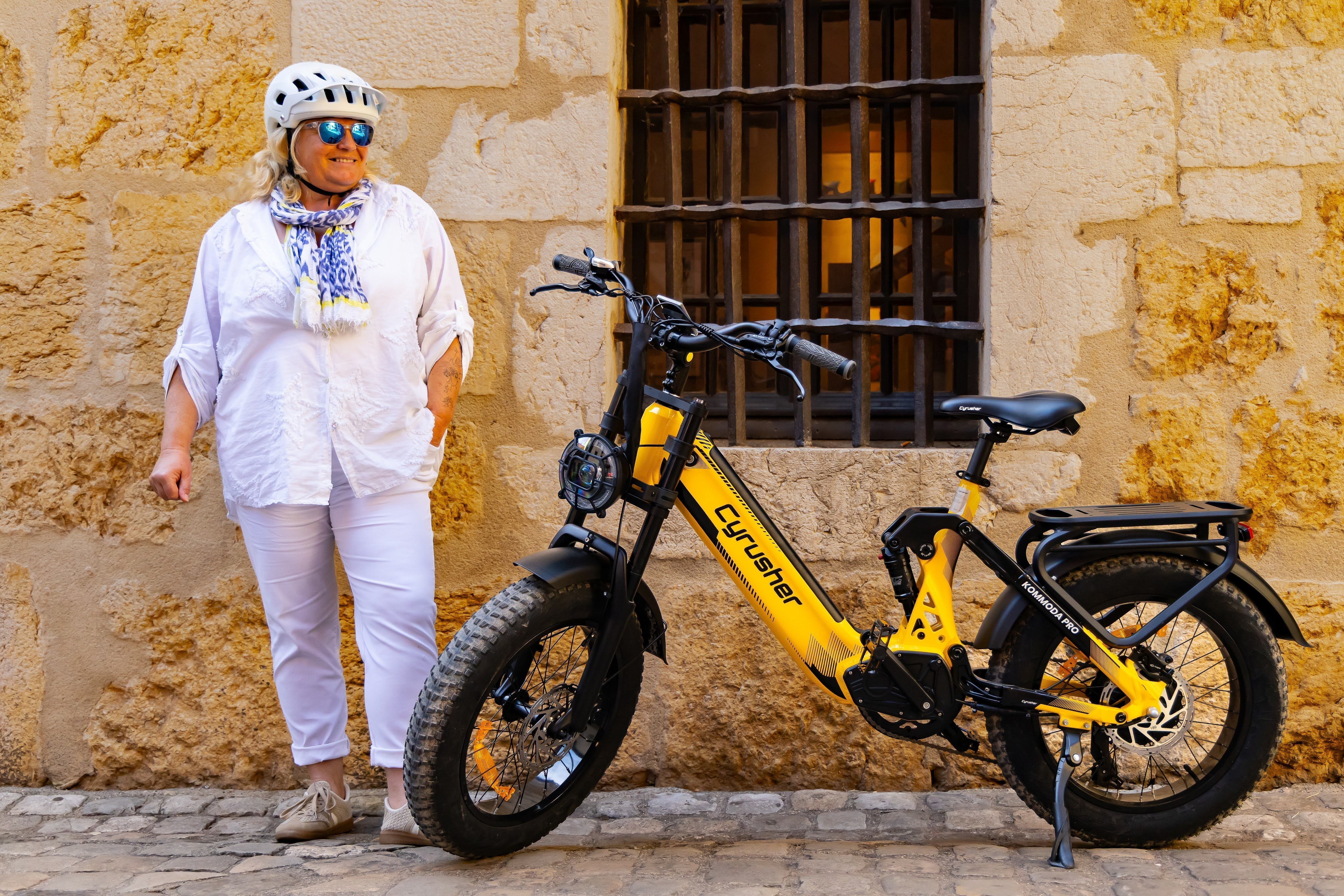
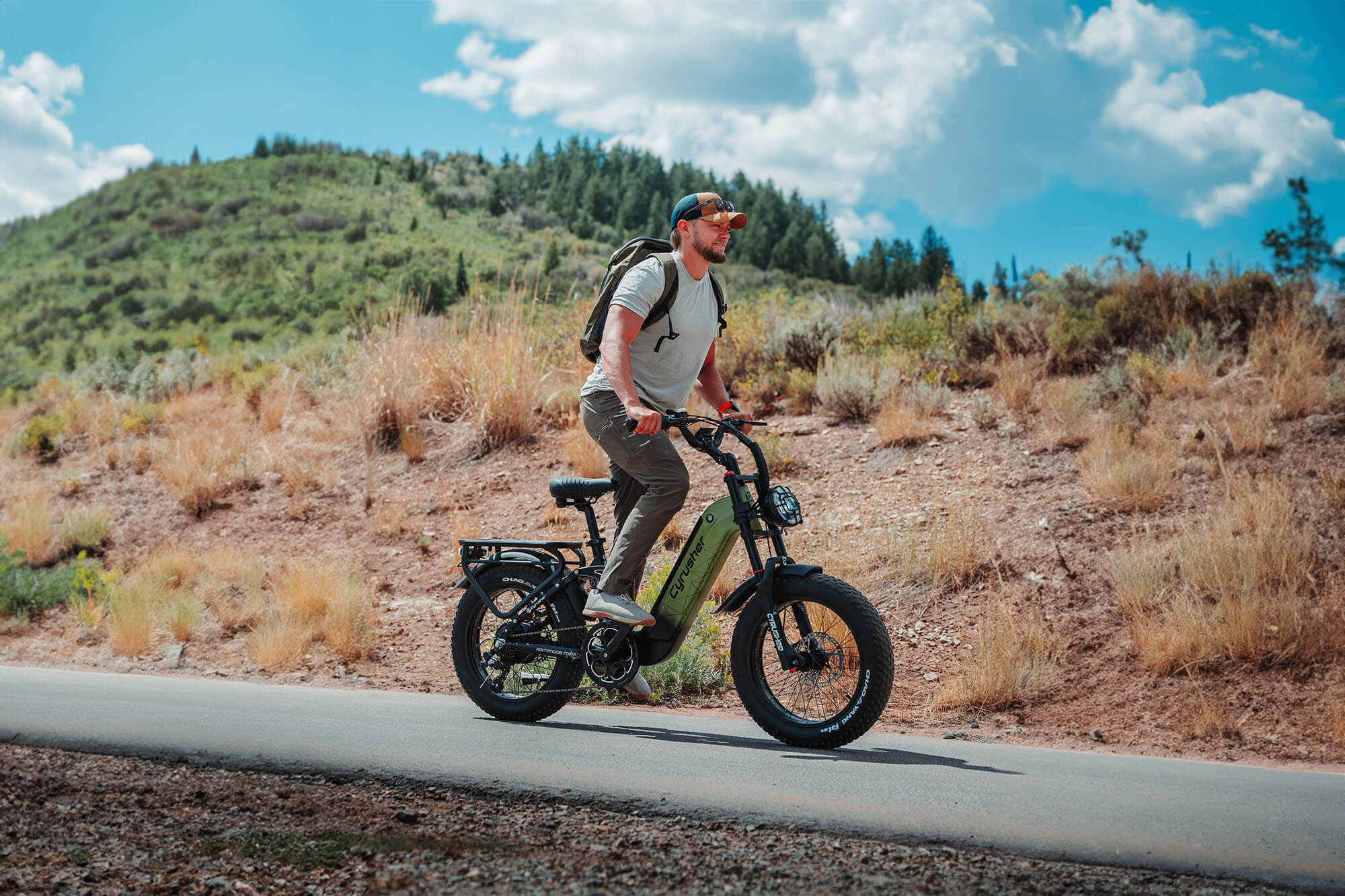
For riders looking to make the most of summer, several models stand out for their comfort, performance, and versatility:
Kommoda 3.0 – Your Ultimate Summer Cruiser
The Kommoda 3.0 makes summer riding effortless with its easy-access step-through frame, upgraded 20" × 4" fat tires, and responsive torque sensor. Its comfortable riding position and full-suspension design help absorb bumps and vibrations, making long rides on bike paths, beach roads, and scenic trails more enjoyable. Whether you're commuting or exploring on warm summer days, the Kommoda 3.0 delivers a smooth and relaxed riding experience.

Zenith – Built for Long Summer Adventures
Designed for riders who love to explore, the Zenith combines a sturdy diamond frame with wide 4.0" fat tires for exceptional stability and confidence on varied terrain. Its comfortable geometry and powerful performance make it ideal for longer summer rides, from countryside roads to weekend getaways. If you're planning to spend more time outdoors this season, the Zenith is ready for every mile.

Aura – Power and Comfort for Sunny-Day Exploration
The Aura is the perfect companion for riders seeking both adventure and comfort during the summer months. Its powerful 250W motor and up to 60 miles of range provide the freedom to explore farther without worrying about recharging. Whether you're riding through city streets, coastal paths, or mountain trails, the Aura delivers smooth power and reliable performance all season long.

Ranger 2.0 – Go Further This Summer
Built for riders who want to escape the ordinary, the Ranger 2.0 combines a high-capacity battery, 250W motor, and premium full suspension to tackle long-distance summer adventures with ease. Its 26" × 4.0" fat tires provide excellent traction and comfort on gravel roads, forest trails, and rugged terrain. With up to 75 miles of range, it's the ideal choice for all-day exploration under the summer sun.

Conclusion
Summer is the perfect season to experience the freedom and fun of ebikes. By choosing to ride during cooler times of the day, staying hydrated, protecting yourself from the sun, and properly maintaining your battery, you can ride farther and more comfortably all summer long.


Share:
Why a Fat-Tire E-Bike Is Your Best Entry Into Riding?
Cyrusher 12th Anniversary: Share Your Story