
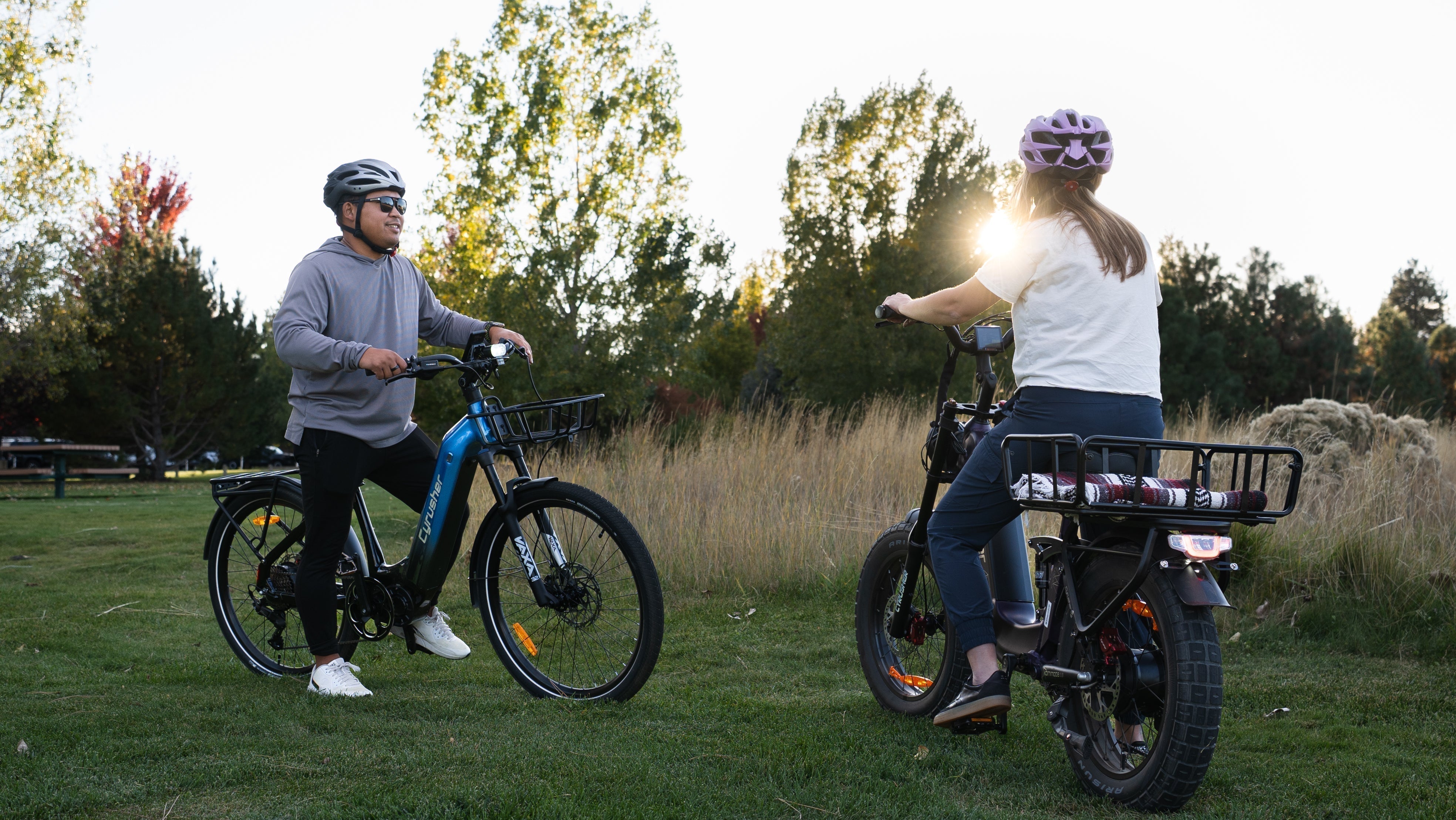
Many people, upon hearing the term "electric bike", assume that cycling with motor assistance is too easy to count as a proper form of exercise. In reality, electric bicycles do not eliminate the physical effort required for cycling; rather, they allow riders to adjust the intensity of their exercise according to road conditions and their own physical state. As e-bikes become increasingly widespread, a growing body of research suggests that they not only increase daily physical activity but also aid weight management. So, can riding an e-bike really burn calories and help with weight loss? The answer is yes – the key lies in your riding intensity, frequency and whether you can stick with it in the long term. This article will explain how e-bikes can aid weight loss and share more effective riding techniques.

Why E-Bike Riding Can Help You Lose Weight?
Riding Still Burns Calories
The electric assist does not turn your legs off. Even with the motor engaged, your legs and core muscles must keep pedaling, balancing, and propelling the bike forward. The amount of energy you expend varies with your speed, the terrain, the assist level, and how long you ride — but you are always burning more calories than you would sitting still. Compared to a sedentary lifestyle, any consistent riding is a meaningful upgrade in daily energy expenditure. And over a long-distance weekend ride, the calorie burn of an e-biker can climb surprisingly high, especially on rolling terrain where the rider still pedals through the assist.
Electric Assist Makes Exercise Easier to Sustain
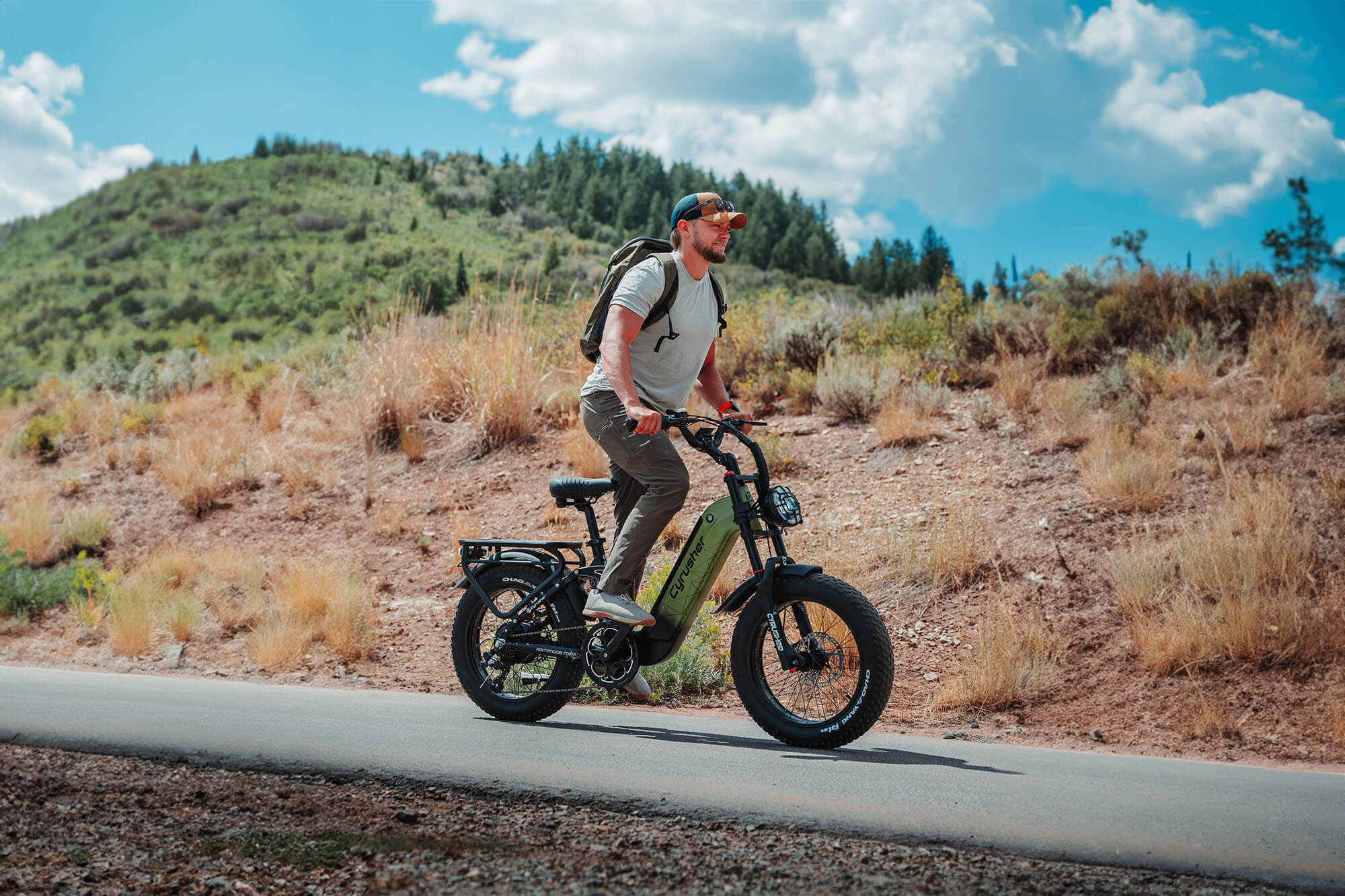
E-bikes’ biggest advantage for weight loss is consistency. Unlike intense workouts that can leave beginners exhausted or discouraged, e-bikes make cycling easier and more enjoyable by reducing the strain of hills, headwinds, and long rides. This lower barrier makes it easier to ride regularly. And for weight management, consistent moderate activity over time can be more effective than occasional intense workouts. The motor doesn’t remove exercise—it makes staying active easier.
E-Bikes Raise Your Daily Non-Exercise Activity (NEAT)
Weight loss isn’t just about workouts. A large part of daily calorie burn comes from NEAT—the movement you do outside formal exercise, such as walking, standing, and commuting. E-bikes can turn sedentary trips into active time, adding meaningful movement without requiring extra workout hours. A short daily ride can gradually build up substantial weekly activity, making e-bikes a simple and sustainable way to support long-term weight management.

How to Ride an E-Bike for Real Weight-Loss Results?
Lower the Assist and Pedal More Actively
The highest assist modes feel effortless, but they also minimize the work your body does. If fat loss is the goal, dial the assist down a notch or two. A lower assistance level forces you to contribute more power to each pedal stroke, raising your heart rate and calorie burn. Increasing your cadence — how quickly you spin the pedals — also boosts effort without straining your joints. The aim is not to make every ride a suffer-fest, but to ensure you are genuinely participating rather than just along for the ride.
Build a Consistent Time and Frequency
Consistency beats intensity. A realistic and sustainable pattern is riding three to five times per week, for roughly thirty to sixty minutes each session, adjusted to your fitness level. Spreading activity across the week keeps your metabolism engaged regularly, which is more effective for weight management than one exhausting weekend ride followed by six days of inactivity. Treat riding like a recurring appointment rather than a special occasion, and the cumulative effect will surprise you.
Use Interval Riding to Boost Fat Burning
You do not need extreme effort to ramp up results. A simple interval approach works well on an e-bike: start with a five-minute warm-up at an easy pace, ride at a moderate speed, then periodically push harder — either by increasing your speed or dropping the assist level for a short burst — before easing back to recover. Repeat this cycle throughout the ride. These bursts raise your heart rate and calorie expenditure without demanding the all-out intensity of a sprint. Over time, interval riding improves cardiovascular fitness and fat oxidation more than steady, slow pedaling alone.
Who Benefits Most from E-Bike Weight Loss?
Beginners with Low Baseline Fitness
E-bikes are ideal for people who want to start exercising but feel intimidated by traditional workouts. If you are a longtime sedentary person, lack cardiovascular conditioning, or simply dislike the discomfort of conventional exercise, an e-bike offers a gentle, approachable entry point. You control the effort, and you can stop whenever you need to. This low-pressure environment makes it far easier to build the habit that drives lasting change.
People Who Need to Protect Their Joints
Running places significant impact stress on the knees, ankles, and hips, which can be a dealbreaker for heavier individuals or anyone with joint issues. Cycling, by contrast, is low-impact, and the electric assist further reduces strain by smoothing out the hardest efforts — like steep hills that would otherwise overload the knees. This makes e-bikes a smart choice for people who need a gradual, joint-friendly path back into regular movement.
People Who Want Movement Built Into Daily Life
Not everyone has time or desire for dedicated workouts. E-bikes suit those who prefer to fold exercise into the fabric of their day — commuting to work, riding to weekend leisure spots, or running errands like grocery shopping. When movement becomes a natural part of your routine rather than a separate chore to schedule, it tends to stick. And what sticks is what eventually shows up on the scale.
Best Cyrusher E-Bikes for Weight Loss
If you want to increase your daily activity levels and burn more calories by using an e-bike, it is very important to choose one that allows you to ride for longer, more frequently and more comfortably.
Cyrusher Zenith: Best for Everyday Fitness Cycling
If you’re looking to incorporate cycling into your daily routine, the Zenith is an excellent choice. Its 52V 15Ah battery offers a range of approximately 60 miles, whilst the Torque and Cadence modes allow you to flexibly adjust your workout intensity. With 26 × 4.0’ fat tyres, front and rear suspension, and a Shimano 7-speed gear system, it’s ideal for city riding, gravel paths and light off-road terrain. Whether you’re commuting, running errands or heading out at the weekend, cycling can be a great way to increase your daily activity levels and aid weight loss.

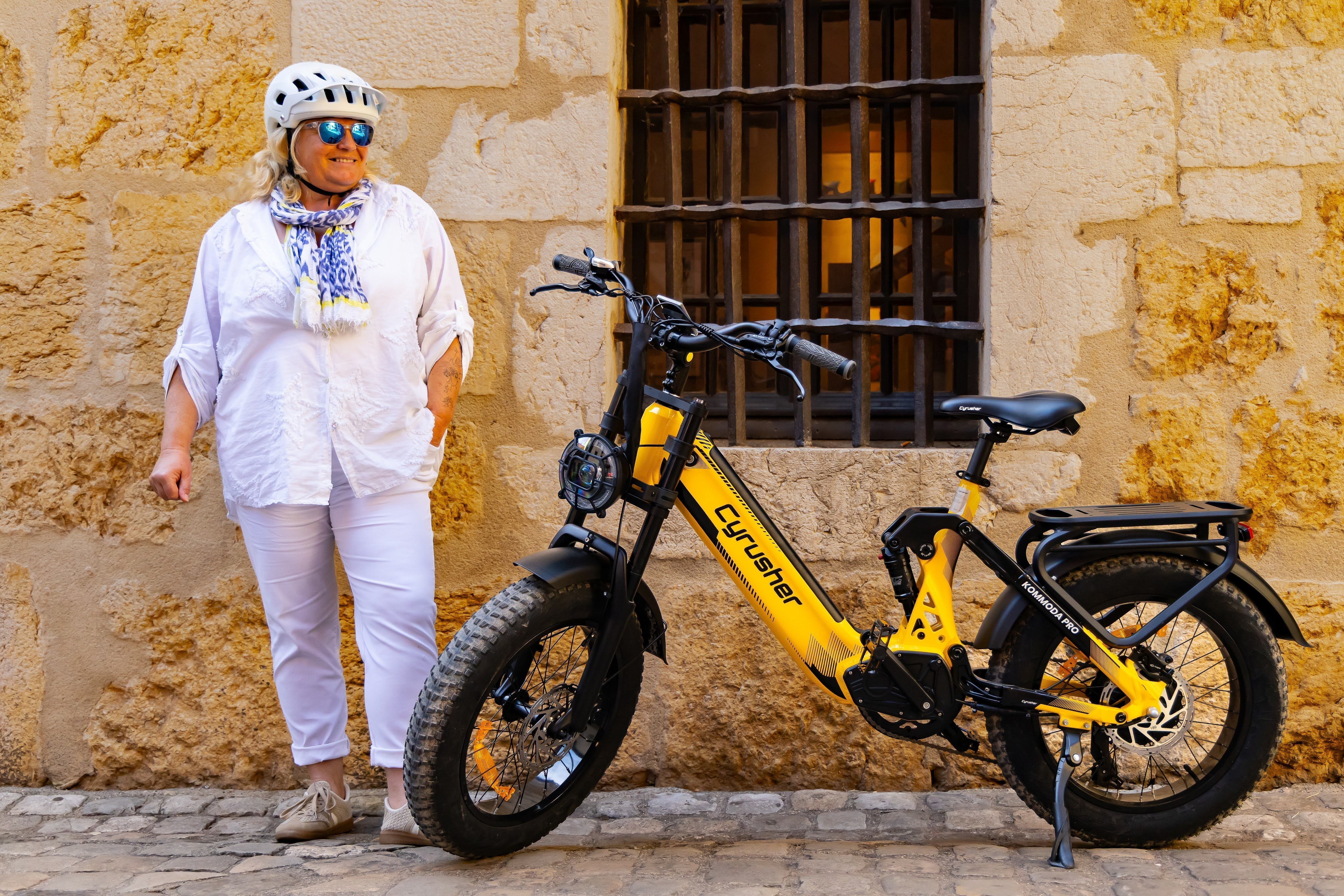
Cyrusher Kommoda Pro: Best for Comfortable Long Rides
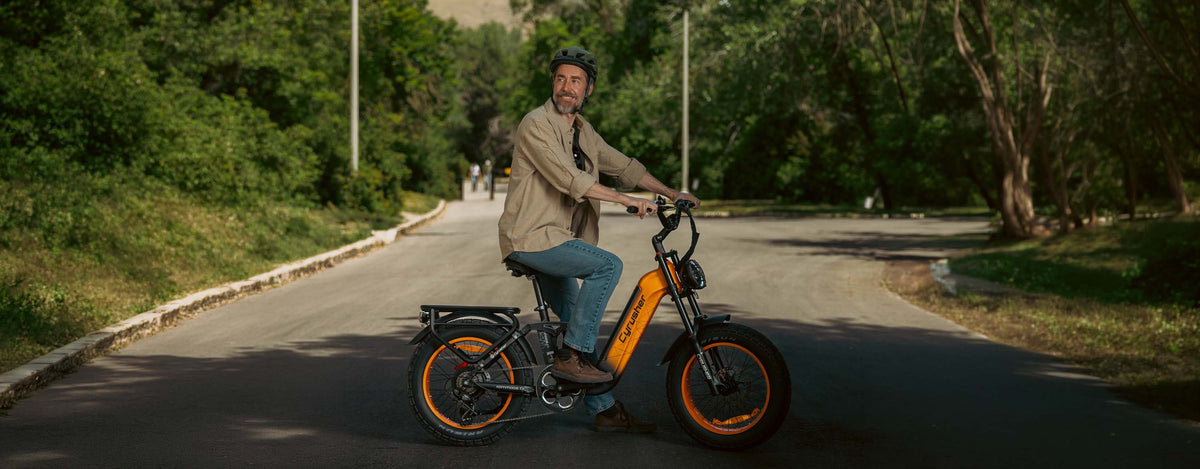
If your aim is to lose body fat by increasing the time you spend cycling, the Kommoda Pro is an excellent choice. The 52V 20Ah battery offers a range of approximately 68 miles, whilst the full suspension, 20 × 4.0’ fat tyres and low-step frame ensure a comfortable and stable riding experience. The torque sensor supports both Torque and Cadence modes, allowing you to flexibly adjust the level of assistance and exercise intensity according to your fitness level, helping you to gradually increase your riding time.

Cyrusher Trax 2.0: Best for Active & Outdoor Riders
If you enjoy outdoor cycling and wish to increase your fitness by covering longer distances and tackling varied terrain, the Trax 2.0 is an excellent choice. The 52V 20Ah battery offers a range of approximately 75 miles, whilst the 250W Bafang rear-wheel motor and maximum torque of 95 N·m provide ample power. The upgraded 4-bar full suspension and 9-speed Shimano gear system are suitable for mountain trails, off-road terrain and urban roads, allowing you to gradually increase the intensity of your ride by reducing the assist level, tackling steeper climbs or extending your distance.

Whichever model you choose, try using the appropriate assist level to maintain a steady pedalling rhythm whilst staying comfortable, and gradually increase your riding time and frequency-only then will your e-bike truly become your partner in fat loss.
Factors That Affect Your Results
Several variables shape how much weight you lose on an e-bike:
- Riding intensity: The assist level, your speed, and the terrain all determine how hard your body works. Rolling hills and lower assist mean more calories burned.
-
Riding duration: Both the length of each ride and your total weekly riding time matter. Short, frequent rides add up.
-
Diet: Calorie expenditure only matters in the context of what you eat. Riding an e-bike is not a license to eat without limit; a reasonable, balanced diet is what turns activity into actual fat loss.
- Consistency over time: Weight loss is a long game. Visible, lasting changes typically require weeks to months of sustained effort, not a handful of rides.
Conclusion
Ebikes can genuinely aid weight loss by boosting daily activity, burning calories per ride and, crucially, making exercise easier to sustain longterm. The motor is no effortless shortcut, but a bridge that gets sedentary people active and keeps them moving. Weightloss results depend on core basics: riding frequency, effort put in, assistlevel use and diet management. Far from being a “lazy person’s bike”, it serves as a practical, sustainable tool to fit regular movement into everyday life. This consistent daily activity, rather than occasional tough workouts, enables lasting weight loss.
FAQs
Can riding an electric bike really help you lose weight?
Yes. Cycling increases calorie expenditure and, when combined with a balanced diet, can help with fat loss.
Is it easier to lose weight on an electric bike than on a standard bike?
Not necessarily. Standard bikes usually require more effort, but electric bikes are less strenuous, making it easier to stick to cycling in the long term.
Is riding an electric bike suitable for beginners looking to lose weight?
Yes, it is. The electric assist lowers the barrier to entry, allowing beginners to start with gentle, short rides.
Can riding an electric bike replace going to the gym?
It cannot completely replace it, but it can form part of your daily exercise routine, combined with activities such as strength training.
How long should you ride an electric bike each day?
You can start with 20-30 minutes and gradually increase this to 30-60 minutes as your fitness improves.


Share:
Why You Should Ride an Electric Bike to Work?
Meet the Winners of Cyrusher’s 12th Anniversary Rider Story Celebration